Why Professional Moisture Testing Matters in Denver
Published: 2026-05-02 · By RapidResponse Water Damage Restoration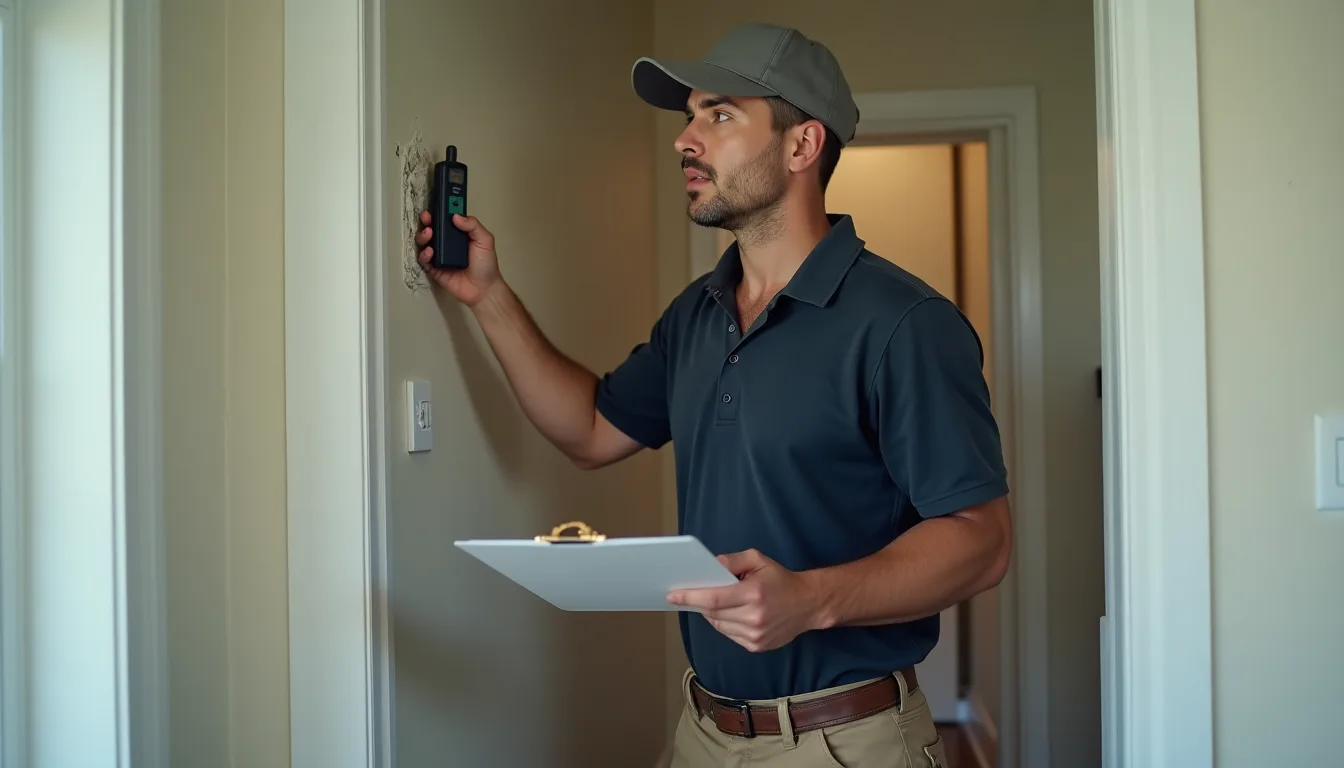
As a Denver homeowner, you’ve likely dealt with the unpredictable weather patterns that characterize our city—from sudden hail storms to rapid temperature swings. With spring's thawing, melting snow can quickly transform into a hidden headache for your properties, as it seeps into foundations and walls. Understanding the importance of moisture testing is vital to avoid long-term damage and costly repairs.
Why This Matters for Denver Homeowners
In Denver, our expansive clay soils can shift dramatically due to moisture fluctuations, often leading to significant structural issues in homes. The freeze-thaw cycles that our region experiences can exacerbate these problems, causing cracks and creating pathways for water intrusion. Addressing moisture issues immediately is not just crucial for preserving your home’s structural integrity, but also for preventing mold growth, which thrives in damp environments.
Many homeowners might underestimate how quickly moisture can impact their living conditions. During heavy snowmelt, water can accumulate even in the most well-drained homes, surprising many residents who are unprepared for the sudden influx. Additionally, neglecting to conduct regular moisture testing could mean failing to detect problems early while they are still manageable.
Moisture testing allows you to gather crucial information about your home’s condition and can often highlight problem areas that require immediate attention. The cost of moisture damage repairs in Denver can escalate quickly, making prevention through testing an economically savvy choice.
Expert Solutions & Actionable Tips
1. Understanding Moisture Testing Methods
Homeowners in Denver can choose between two primary moisture testing methods: invasive and non-invasive testing. Non-invasive methods, such as infrared thermography, can cost between $200 and $400 and are effective for identifying moisture without damaging your walls. Invasive methods, on the other hand, might require small holes to be drilled and can run between $500 and $800 but provide more definitive readings.
Understanding these methods allows you to select the best fit according to your home’s specific needs. Prioritize techniques that minimize unnecessary damage while still offering accurate results.
2. Optimal Timing for Moisture Testing
Seasons play a crucial role in determining when to perform moisture testing for homes in Denver. Spring is typically the best time, right after heavy snowfall has melted. Scheduling tests around April can allow homeowners to proactively address any issues that may arise from the thaw.
Experts recommend conducting moisture tests at least biannually to ensure the home is in optimal condition. This could save you thousands in unexpected repairs and prevent long-term structural issues.
3. DIY vs Professional Moisture Testing
While many homeowners are tempted to conduct moisture testing themselves, hiring professionals can ensure thorough and accurate assessments. DIY kits might cost around $50, but they often lack the precision and reliability of professional services.
Professionals not only utilize advanced technology but also have the expertise to interpret the readings effectively. This investment could spare you from future complications linked to undetected moisture problems in your Denver home.
4. Watch for Structural Indicators
Being vigilant about physical signs of moisture can save homeowners time and money. Check for discoloration on walls or ceilings, crumbling drywall, or even a musty smell—all of which may indicate a hidden moisture issue.
In Denver's climate, structural indicators can manifest swiftly, especially after significant weather events. Addressing these signs promptly will not only keep your home safe but can also enhance its market value.
5. Local Building Codes and Regulations
Denver has specific regulations regarding water damage restoration that homeowners should be aware of. This includes obtaining permits for substantial remediation work, ensuring compliance with city standards to avoid penalties.
Consulting with professionals like RapidResponse Water Damage Restoration can help you navigate these regulations, making the process seamless and compliant with local laws.
6. Cost Implications of Water Damage
Addressing water damage in Denver early on can be significantly less expensive than managing the fallout from unchecked moisture. Small repairs can range from $150 to $1,000, but extensive damage could lead to costs exceeding $10,000.
Regular moisture testing plays a huge role in mitigating these costs, allowing homeowners to catch issues before they escalate into major restoration projects.
Denver Climate & Local Context
Denver’s varied climate significantly impacts the prevalence of water damage. Our high-altitude environment leads to rapid temperature shifts, which can stress building materials and foundations. Homes built on expansive clay soils require careful attention to drainage systems to prevent moisture accumulation.
The city’s building codes reflect these concerns, mandating proper drainage management to reduce water-related issues. During the heavy snowmelt in spring, it is particularly crucial to assess your home’s drainage system to ensure it channels runoff safely away from your property.
When to Call a Professional
Determining whether to tackle moisture issues on your own or hire a professional can be tricky. It's important to know when to engage an expert to handle your home’s safety, especially in a city prone to water crises.
You should consider calling a professional under the following circumstances:
- Signs of extensive mold growth
- Visible water intrusion during heavy rain
- Unexplained humidity levels
- Water spots that continue to grow
- Recent major weather events
- Cracks emerging in your walls or foundation
Intervention from a pro can prevent additional damage and protect your home’s value.
Frequently Asked Questions
What are the signs of water damage in homes?
Signs include peeling paint, sagging ceilings, and a noticeable musty odor. Checking for these indicators regularly can prevent major rebuilding efforts later on.
How often should moisture testing be done?
It’s advisable to conduct moisture testing biannually, especially during transitional seasons in Denver, like spring and fall, when risks are heightened due to weather changes.
What is the cost of professional moisture testing in Denver?
The average cost of a professional moisture assessment in Denver typically ranges from $200 to $800, depending on the method and extent of testing required.
Can I perform moisture testing myself?
While DIY moisture testing kits are available, they often lack the comprehensiveness and accuracy of professional services, which can lead to missed underlying issues.
How long does it take to remediate water damage?
The timeline for water damage remediation can vary, but it generally takes anywhere from a few days to weeks, depending on the extent of the damage and the materials involved.
Get Expert Water Damage Restoration Service in Denver
If you suspect your home may be suffering from water damage, it’s important to act fast. Contact (719) 223-0090 to speak with RapidResponse Water Damage Restoration experts who understand the unique challenges facing Denver homeowners.
Don’t wait until a small issue becomes a significant problem. Reach out today and protect your home from the hazards of moisture damage.
Related Services
More Articles
Spring Water Damage Restoration Checklist for Denver Homeowners
2026-05-02
Water Damage RestorationDIY vs Professional Water Damage Restoration in Denver: When to Call the Experts
2026-05-02
Water Damage RestorationA Denver Homeowner's Complete Summer Water Protection Plan
2026-05-02